
Use interior paint on indoor surfaces and exterior paint on outdoor surfaces. That’s the rule, and it’s not about tradition or convenience. Interior and exterior paints use different binders, pigments, and additives, tuned for either scrub resistance and low odor or UV exposure and moisture, so swapping them in either direction sets you up for early failure or unnecessary fumes indoors.
TL;DR:
- Exterior paint contains flexible binders, UV stabilizers, and mildewcides, making it unsuitable for indoor environments due to health concerns and different performance needs.
- Using interior paint outside often results in cracking, peeling, or chalking within a year because of its rigid binder and lack of UV protection.
- Exterior paints generally have higher VOC levels, which can cause headaches and respiratory issues if used inside unventilated rooms.
- The sheen level determines wipeability and flaw hiding, with satin and semi-gloss suitable for high-traffic or moisture-prone areas, while flat finishes work best in low-use spaces.
- Proper surface preparation, matching primer with substrate, and following application conditions are crucial to prevent early paint failure and ensure durability.
Table of Contents
- Exterior vs. Interior Paint: How the Formulas Actually Differ
- Which Paint Lasts Longer in Each Environment?
- Is Exterior Paint Bad to Use Indoors?
- Which Sheen Should You Choose for Each Room?
- Can You Use the Same Paint Inside and Outside?
- What Primer and Paint Should You Use for Each Surface?
- How Do You Apply Paint Without Causing Rework?
- When Should You Hire a Professional Painter?
- Chemistry, Not Convenience, Should Choose Your Paint
- Get a Professional Result Without the Guesswork
- Sources
- FAQ
Exterior vs. Interior Paint: How the Formulas Actually Differ
Paint looks the same in the can whether it’s built for a bedroom wall or a stucco facade, but the resin holding it together is doing a completely different job. That mismatch is why so many homeowners grab “whatever’s left in the garage” and end up repainting within a year.
Every paint is built around a binder, the resin that holds pigment particles together and glues them to the wall. Interior paints use harder, more rigid binders because a hard film resists scuffing, scrubbing, and the occasional crayon incident. Exterior paints use flexible binders instead, because a house wall expands and contracts with heat and cold all year, and a rigid film would crack under that movement.
Pigment choice diverges too. Exterior formulas lean on inorganic pigments and UV stabilizers that hold their color under direct sunlight, while many interior paints use organic pigments that fade fast once exposed outdoors.
The additive package is where the split really shows up:
- Exterior paints carry mildewcides, UV stabilizers, and water repellents to fight algae, sun damage, and rain.
- Interior paints carry scrub-resistance and stain-blocking additives, plus fragrance and low-odor agents for occupied rooms.
- Both use surfactants and thickeners, but in different ratios to match indoor versus outdoor application conditions.
None of this shows up on the swatch. It’s baked into the formulation itself, which is exactly why label reading matters more than color matching.
Which Paint Lasts Longer in Each Environment?
Durability isn’t a single number. It’s a function of what the paint has to survive, and interior and exterior surfaces face almost opposite stresses.
Outdoor walls deal with thermal cycling, the constant expansion and contraction as temperatures swing from a hot afternoon to a cool night. Flexible exterior binders move with that cycling. Rigid interior binders don’t, and that’s exactly why interior paint applied outside typically shows cracking, peeling, or chalking within a year. Indoors, that same rigidity is an asset: it’s what lets a kitchen wall survive repeated wiping without dulling or wearing thin.
Three failure modes tell you which environment did the damage:
- Chalking — a powdery residue on exterior surfaces, usually UV breakdown of the binder.
- Peeling — loss of adhesion, often from moisture trapped behind the film or the wrong binder for the substrate.
- Mildew spotting — dark blotches in damp, shaded areas where a paint lacked mildewcide.
If you see any of these within two or three years of a paint job, the product or the prep was wrong for the job, not just old age catching up.
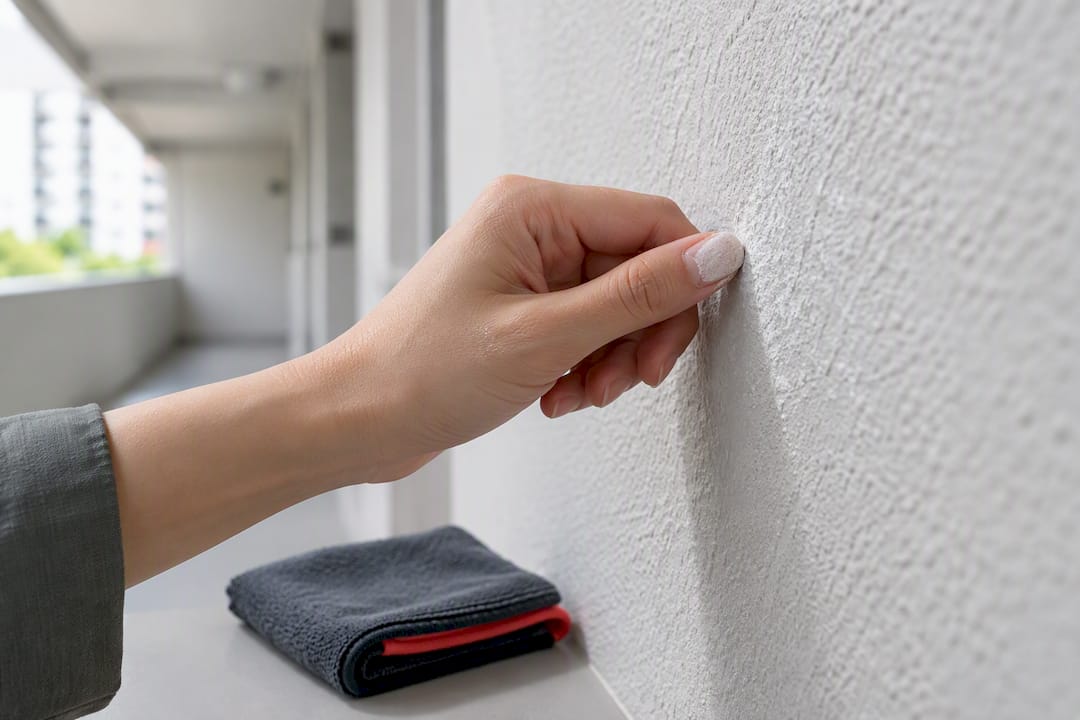
Pro Tip: Run a fingernail test on a chalky exterior wall. If a visible white residue transfers to your nail, the UV stabilizers have broken down and it’s time to repaint, not just clean.
Is Exterior Paint Bad to Use Indoors?
Yes, and the reason is almost entirely about air quality, not durability. Exterior paints commonly permit higher volatile organic compound (VOC) content than interior formulas, because outdoor curing lets wind and sunlight disperse the fumes quickly. Bring that same paint inside a bedroom or living room, and those compounds have nowhere to go.
Short-term exposure to elevated VOC levels can bring on headaches, dizziness, or throat and eye irritation, especially in a closed room during application. Longer exposure concerns center on cumulative respiratory irritation, which is one reason regulators cap VOC content lower for products marketed as interior paints.
There’s a curing issue layered on top of the health question. Latex and acrylic paints cure of the outside in, relying on airflow and evaporation to finish hardening. An exterior formula, built assuming open air and sun, can stay tacky and keep off-gassing far longer indoors than its label suggests.
Practical steps to cut your exposure during any interior job:
- Choose a low-VOC or zero-VOC interior paint for any occupied room.
- Ventilate with open windows and a fan running during application and for at least 48 hours after.
- Vacate the room, especially for anyone pregnant, asthmatic, or sensitive to strong odors, until the smell clears.
Which Sheen Should You Choose for Each Room?
Sheen determines two things: how much light bounces off the wall, and how easily you can wipe it clean. Get this wrong and you’ll either scrub the finish off a hallway or spotlight every drywall flaw in a nursery.
Flat and matte finishes hide surface imperfections well but don’t hold up to scrubbing, which makes them a fit for ceilings and low-traffic bedrooms. Eggshell splits the difference, offering a soft look with modest cleanability for living rooms and dining areas. Satin and semi-gloss trade a bit of imperfection-hiding for real washability, which is why they belong in kitchens, bathrooms, and hallways where hands and moisture make contact often.
- Flat/matte: low sheen, hides flaws, weak scrub resistance.
- Eggshell: light sheen, moderate durability, good general-purpose choice.
- Satin: noticeable sheen, strong wipeability, common for high-traffic walls.
- Semi-gloss/gloss: high sheen, best scrubbability, standard for trim and doors.
Trim and doors usually get semi-gloss or gloss because they take the most abuse from hands and cleaning. Some trim paints are dual-rated for interior and exterior use, which matters for a front door that’s technically exposed to weather but finished to match interior trim. Higher sheen also means touch-ups show more, since gloss variations catch light differently than the surrounding dried film. For a deeper breakdown of where satin beats semi-gloss and vice versa, this comparison of satin and semi-gloss walks through the resin logic room by room.
Can You Use the Same Paint Inside and Outside?
Sometimes, but only when the can says so explicitly and you check the fine print behind that claim. A label that reads “interior/exterior” or “all-weather” means the manufacturer engineered one formula to meet both sets of demands, not that any paint can pull double duty. Before trusting that label, confirm the claim against the manufacturer’s technical data sheet, which spells out approved substrates and exposure conditions in more detail than the can itself.
There’s also a narrower, temporary case: leftover interior paint used on a covered porch ceiling or a sheltered shed wall that never sees direct rain or sun. It can survive there for a while, but you’re trading durability for convenience, and dual-rated products remain a compromise rather than a top performer in either environment.
- Read the can label for explicit interior/exterior approval.
- Check the technical data sheet, not just marketing copy on the front label.
- Reserve hybrid paints for trim, doors, or sheltered surfaces, not full sun/rain exposure.
- Choose a true dual-rated product over a workaround when the surface faces real weather.
What Primer and Paint Should You Use for Each Surface?
Primer decides adhesion more than the topcoat does, and choosing the wrong one is the most common reason a paint job fails early. Match primer and paint to the substrate, not just the room.
- Drywall: Use a PVA or acrylic drywall primer to seal porous patched areas, then two coats of interior acrylic latex in your chosen sheen.
- Wood trim and doors: Prime bare wood with an oil-based or acrylic wood primer to block tannin bleed, then finish with semi-gloss interior or exterior enamel depending on exposure.
- Exterior masonry (stucco, brick, concrete): Use a masonry primer or conditioner to manage alkalinity, then apply 100% acrylic exterior paint, which flexes with the substrate and resists efflorescence.
- Metal (railings, gutters, doors): Apply a rust-inhibitive metal primer first, then a direct-to-metal acrylic or alkyd topcoat rated for exterior exposure.
- Previously painted exterior siding: Wash, scrape loose paint, spot-prime bare wood, then recoat with acrylic exterior paint, usually two coats for full coverage.
Skipping prep steps to save a weekend is the single most common cause of the peeling and blistering covered earlier. A short prep checklist, in order: clean the surface, repair cracks or holes, sand glossy or rough spots, prime bare or patched areas, then apply your coats. Washing walls properly before you start also affects how well paint bonds; this wall washing guide covers the step homeowners skip most often.
How Do You Apply Paint Without Causing Rework?
Getting the chemistry right doesn’t guarantee a good result if the application itself works against the paint. Airflow, temperature, and timing all affect how the film cures and how long it lasts.
- Check the weather window. Exterior paint needs a dry forecast of at least 24 to 48 hours after application, and both interior and exterior paints struggle to cure properly below 50°F or above roughly 90°F.
- Apply the right coat count. Most jobs need two coats for full, even coverage and true color depth; a single coat almost always shows roller marks or patchy hide.
- Respect dry time versus cure time. Paint feels dry to the touch in a few hours but can take two to four weeks to fully cure, so avoid heavy scrubbing or hanging anything on trim before then.
- Keep airflow moving indoors. Poor ventilation traps solvents near the surface and can leave a softer, tackier film than the label promises, extending off-gassing well past the usual window.
If you spot peeling or blistering after the fact, the repair path starts with scraping back to sound material, addressing the moisture or heat source that caused it, then priming and repainting rather than just feathering in new paint over the damage. A full walkthrough of that repair sequence is covered in this peeling paint repair guide.
Pro Tip: Touch a “dry” wall on day one and it may feel fine, but wait the full cure window before pushing furniture back against it. Early pressure on an uncured film is one of the most common causes of soft spots and dents that show up months later.
When Should You Hire a Professional Painter?
Some jobs are worth doing yourself. Others carry enough risk, in scale or in consequences, that a professional crew pays for itself.
Full exterior repaints, multi-story facades, and anything involving persistent damp or mildew are good candidates for hiring out, since they combine height risk, substrate complexity, and the kind of prep work that punishes shortcuts. A reputable quote should spell out surface preparation steps, the paint brand being used, whether furniture and fixtures are protected during the job, and what warranty backs the finished work.
Before signing anyone, ask a few pointed questions:
- What does the quote include beyond paint and labor, and are there hidden add-ons?
- Which paint brand and product line will be applied, and is it interior or exterior rated for this surface?
- Is there a written warranty, and what does it cover?
- Who manages the project day to day if something needs adjusting mid-job?
A checklist for vetting painters walks through how to score quotes against these criteria before you commit.
Chemistry, Not Convenience, Should Choose Your Paint
Homeowners routinely treat paint as a color decision and prep as an afterthought, and that’s backwards. The binder, the pigment, and the additive package determine whether a wall survives five years or five months, and no amount of skill with a roller fixes a formula mismatch.
My honest read: prioritize ventilation and long-term durability over the few dollars saved reusing leftover paint in the wrong room. A repaint two years early costs far more, in time and material, than buying the correct can the first time.
— Fabian
Get a Professional Result Without the Guesswork
Reading labels and matching primers correctly takes real attention, and one missed step, like skipping a masonry primer or applying exterior paint indoors, can cost you a redo within a year. 5starpainting handles that decision-making for you, using genuine Nippon Paint matched to your actual surface, with meticulous prep, furniture protection, and a one-year warranty backing the finished work.

Every job is overseen by a project manager to help ensure proper communication and project oversight. Pricing is offered with no hidden fees added after the fact. HDB flats fall under the HDB Basic, Enhanced, and Premium packages, while condo owners can compare the Condo Basic, Enhanced, and Premium packages for a similar range of prep and finish levels. Landed property owners can reach out through 5starpainting directly to scope a full exterior or interior repaint. If you’re weighing DIY against hiring out, consider requesting a painting service quote to compare with your own time and material costs before deciding.
Sources
For readers who want to verify the technical claims here directly, these sources go deeper into formulation and application standards:
- The Difference Between Interior and Exterior Paint | The Family Handyman
- Can you use interior paint outside? — The Spruce
- Interior paint vs exterior paint — HowStuffWorks
FAQ
Is It Okay to Use Exterior Paint Indoors?
No, it’s not recommended for occupied rooms. Exterior paint typically carries higher VOC content meant to disperse outdoors, and indoors it can off-gas longer and irritate eyes, throat, or airways.
Is There Really a Difference Between Interior and Exterior Paint?
Yes, the difference is in the binder, pigment, and additive package, not just the label. Exterior paint uses flexible binders, UV stabilizers, and mildewcides, while interior paint uses harder binders built for scrub resistance and lower odor.
Is It Better to Paint Inside or Outside on a Given Day?
This depends on the paint type, not personal preference. Exterior paint needs dry, moderate weather to cure properly outdoors, while interior painting is best done with good ventilation regardless of the weather outside.
Is Exterior Paint Good for Interior Walls?
It’s not a good match for interior walls despite sometimes appearing more durable on paper. The added VOCs and mildewcides serve outdoor conditions, and interior paint applied indoors already meets the scrub resistance most walls need without that added chemical load.
How Much Does Professional Painting Cost for an HDB Flat?
Pricing depends on the package and flat size, with 5starpainting’s HDB packages ranging from $600 to $1,900 one-off depending on the tier chosen. Each package includes surface prep, genuine Nippon Paint, and a one-year warranty.